Best Time to Climb Kilimanjaro in 2026 – What to Expect During This Climb?
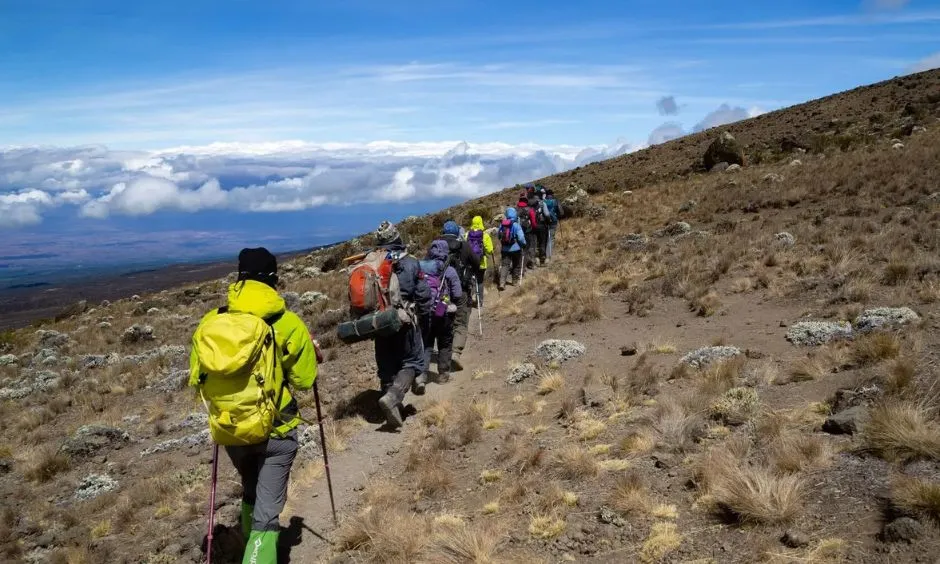
The Mount Kilimanjaro Climbing is an unforgettable experience. Whether you’re looking for a challenging adventure, a rewarding personal achievement, or simply a chance to witness some of the most breathtaking views on earth, choosing the Best Time to Climb Kilimanjaro is crucial for ensuring you have the most enjoyable and safe experience.
In this guide, we will explore the Best Season to Climb Kilimanjaro in 2026, highlight the differences between the wet and dry seasons, and give you expert tips for choosing the best time for your Kilimanjaro Climbing.
What Is the Best Time to Climb Mount Kilimanjaro?
The Best Time of Year to Climb Kilimanjaro largely depends on weather conditions, personal preferences, and the overall experience you want. Kilimanjaro has two distinct hiking seasons—The Dry Season and The Wet Season. Climbers often prefer to climb during the dry season as the trails are more accessible, and the views are clearer.
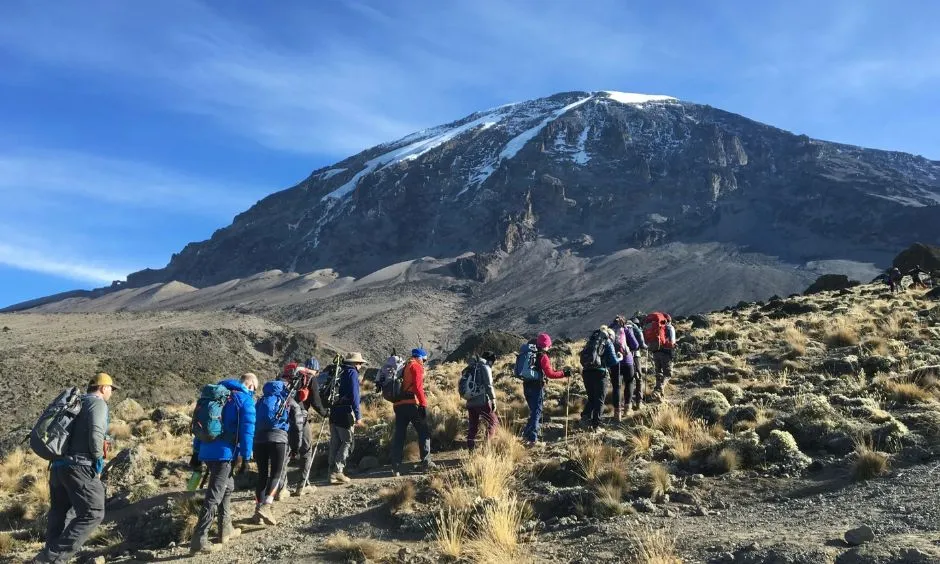
Wet and Dry Seasons on Kilimanjaro
| Season | Month(s) | Weather Conditions | Climbing Experience |
| Dry Season | January – March | Clear skies, moderate temperatures | Best time to climb Kilimanjaro |
| June – October | Cooler, clear skies, dry trails | Less rain, good visibility | |
| Wet Season | April – May | Rainy, wet trails, higher humidity | Challenging and slippery |
| November – December | Light rain, muddy conditions | Less crowded, some rain |
Factors to Consider When Choosing Your Climbing Time
When planning yourtiming to Climb Kilimanjaro, here are some factors to keep in mind:
- Weather Conditions: The dry months (January, February, June to October) offer the best weather with sunny days and clear skies.
- Crowds: If you prefer a more private experience, avoid the peak climbing seasons (July to September) and consider going during the shoulder months like April or November.
- Temperature: While temperatures vary depending on altitude, the lower altitudes are more moderate during the dry season, making for a more comfortable climb.
- Trail Conditions: During the wet season, trails become slippery and challenging, which can increase the difficulty level and risk of injury.
- Wildlife: During the dry season, animals are more likely to be found at lower altitudes, offering an additional wildlife viewing opportunity.
- Personal Fitness: Consider your fitness level and the level of difficulty you desire. The dry season provides more favourable conditions for completing your climb.
Best Time to Climb Kilimanjaro Without the Crowds
If you’re looking for a quieter, less crowded experience, the Best Time to Climb Kilimanjaro Without The Crowds is during the Shoulder Months (April, May, and November). These months fall outside of the peak Kilimanjaro Hiking Season, which means you’ll have fewer climbers on the mountain. However, keep in mind that the weather can be unpredictable with increased chances of rain, especially in April and May.
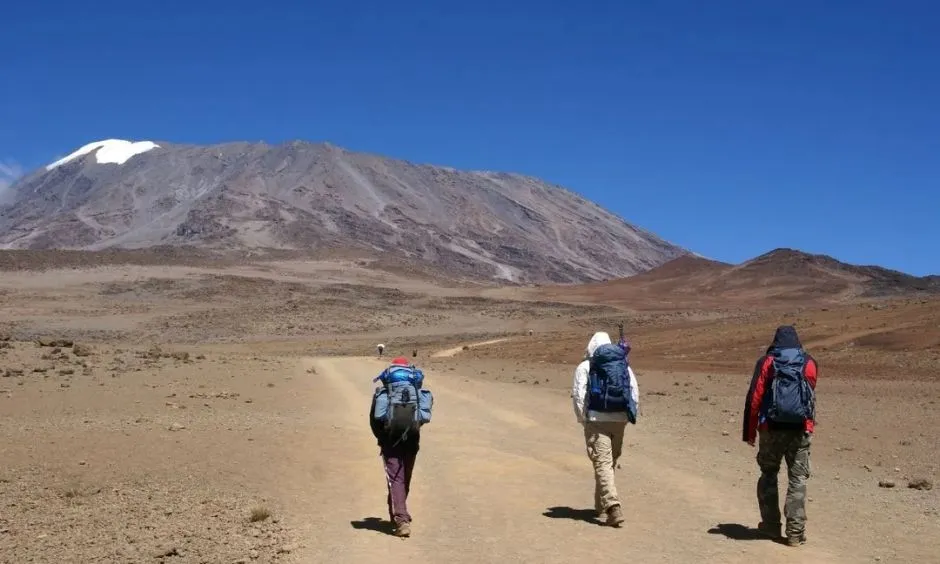
The Full Moon Climb on Kilimanjaro
If you’re looking for a truly unique experience, climbing Mount Kilimanjaro during the full moon is a memorable and breathtaking option. The view of the mountain under the full moon is stunning, and it provides an excellent opportunity for photography.
| Month | Full Moon for the Year 2026 | Full Moon for the Year 2026 |
| JANUARY | 14th | 3rd |
| FEBRUARY | 12th | 2nd |
| MARCH | 14th | 3rd |
| April | 13th | 2nd |
| May | 12th | 1st |
| June | 11th | 30th |
| July | 10th | 29th |
| August | 9th | 28th |
| September | 7th | 26th |
| October | 7th | 26th |
| November | 5th | 24th |
| December | 5th | 24th |
Kilimanjaro Altitude and Climate Zones
The Best Month to Climb Kilimanjaro will depend on the climate zones you will pass through. The mountain is known for its diverse climates, and the weather changes as you ascend. Here are the main Kilimanjaro Altitude and Climate Zones:
- Rainforest Zone (2,800m – 3,500m): Expect humid, wet conditions. Temperatures can range from 20°C to 30°C.
- Moorland Zone (3,500m – 4,200m): Temperatures range from 10°C to 15°C, with more arid conditions.
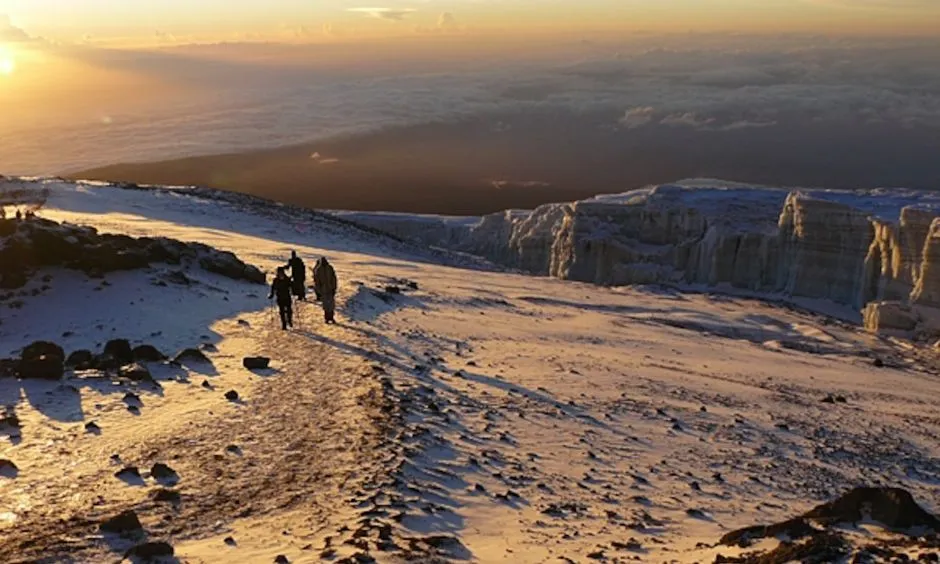
- Alpine Desert Zone (4,200m – 5,000m): Expect cold and dry conditions with temperatures ranging from -10°C to 5°C.
- Arctic Summit Zone (Above 5,000m): The coldest zone with freezing temperatures, often below -10°C.
Useful Information for Your Kilimanjaro Climb
- Physical Preparation: Prepare your body for the challenges ahead. Hiking regularly and building your endurance will ensure you have a successful climb.
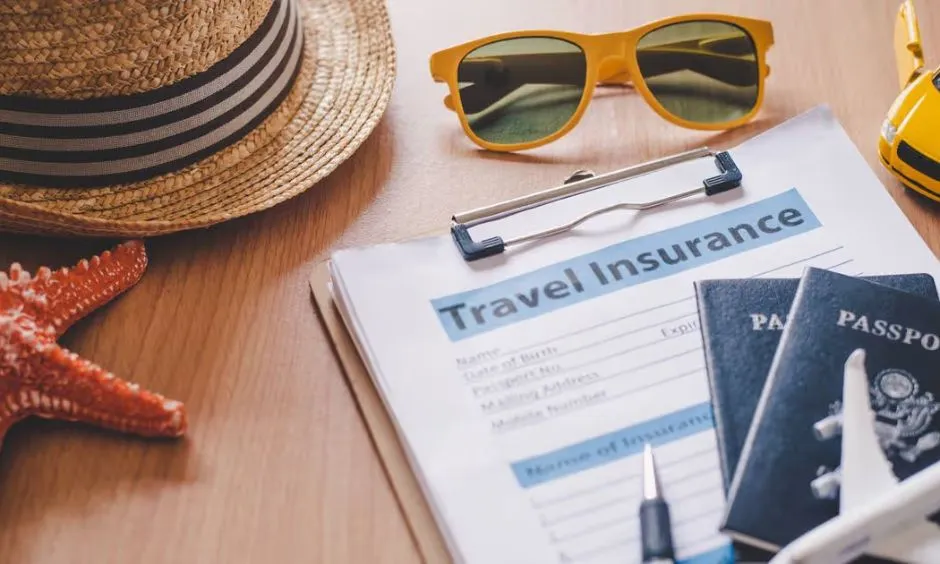
- Travel Insurance: Make sure to have comprehensive travel insurance to cover any emergency situations.
- Climbing Gear: Invest in quality gear including proper hiking boots, layers for cold temperatures, and a sleeping bag for sub-zero temperatures.
- Acclimatization: Slow and steady is key. Ensure you give yourself enough time to acclimatize to the changing altitudes during your climb.
- Guides and Porters: Using certified guides and porters is highly recommended to ensure safety, proper guidance, and support.
Finding Your Perfect Climbing Time with Halisia Afrika
Choosing the Best Time to Climb Kilimanjaro can be overwhelming. That’s why consulting with experts like Halisa Afrika is the perfect solution. With our experienced guides and expert knowledge, we can help you choose the Best Time of Year to Climb Mt. Kilimanjaro based on your preferences, fitness level, and climbing goals. We help you select the Best Month to Climb Kilimanjaro based on your goals, fitness, and desired experience. With expert guidance, you can challenge this incredible adventure of Mount Kilimanjaro Climbing and reach the top of Africa with confidence, no matter when you decide to go.
Share this article