10 Tips on How to Do Zanzibar on a Budget
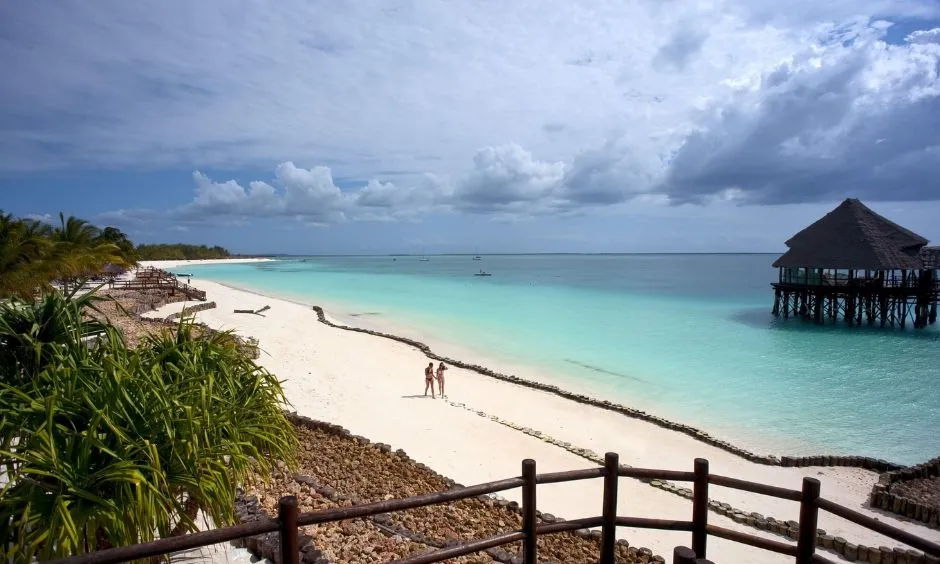
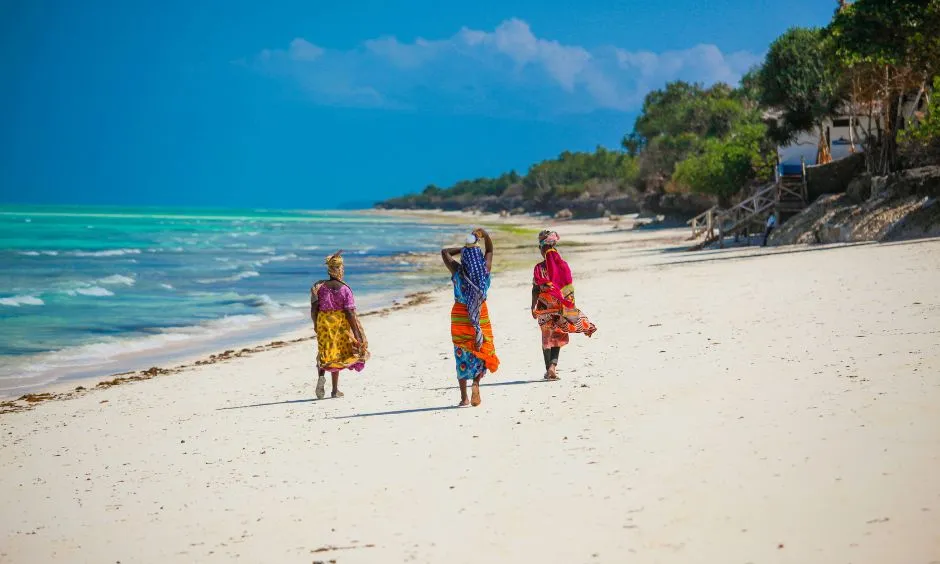
Zanzibar— located in the cerulean Indian Ocean off Tanzania—is a dream destination. Imagine powder-soft Zanzibar Beaches sands, swaying palms, quaint spice farms, and an island rhythm that calms the soul. Yet, you don’t need to break the bank to experience this paradise. With mindful planning, local engagement, and a few insider secrets, Beaches in Zanzibar can be fully enjoyed on a sensible budget.
Let Halisia Afrika guide your journey—where simplicity and authenticity bring richness beyond cost.
1. Visit in the Shoulder Season
Timing is everything. Skip the crowded high season and travel in April–June or October–November, when gentle rains cool the heat and prices dip. Beach Zanzibar in these months offers peaceful dawns, quiet shores, and lodges lowering rates to attract travellers. Hotels and guesthouses, from Nungwi to Jambiani, often slash prices by 30–50%, and tour operators offer attractive off-season packages.
The rhythm of the island shifts too: fishermen in Kizimkazi launch early, markets bustle peacefully, and evenings are filled with lantern-lit dinners beside Tanzania Zanzibar Beach sands. These extra savings allow you to splurge on special experiences—like a sunset dhow cruise or local cooking class—without guilt. The bonus? The softness of the crowd-free island, where every sunrise feels like a personal ceremony unobserved by throngs.
2. Choose Affordable Accommodation
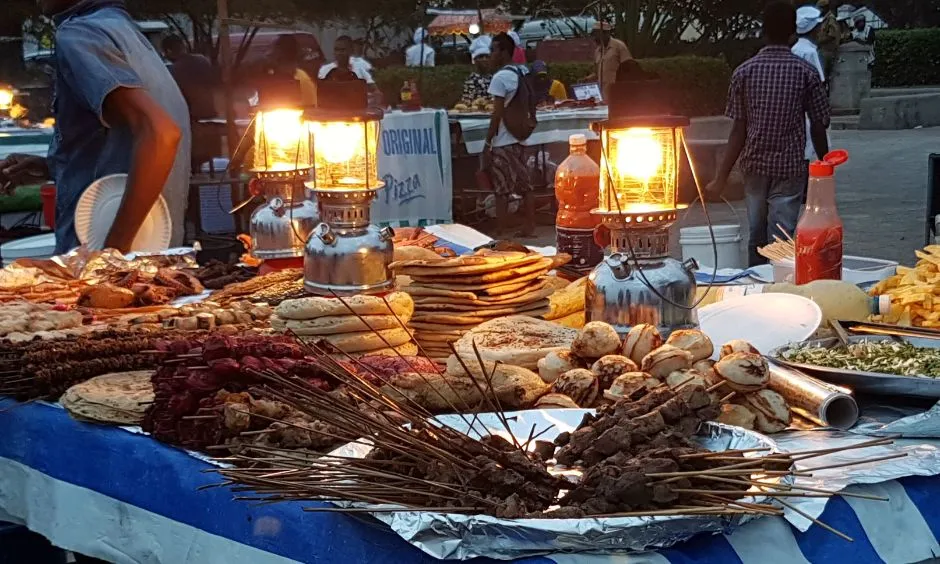
Luxury doesn’t always equal richness. The real value lies in human connection, and budget Accommodations on Zanzibar deliver it beautifully. In Stone Town, opt for charming guesthouses tucked into alleyways—often $25–30 a night—where hosts share homemade chai and Zanzibar tales.
Beachside, consider these gems:
- Jambiani and Paje: laid-back beach cottages priced $30–45/night, steps from turquoise waves.
- Nungwi and Kendwa: livelier shores with community-run lodges; expect cozy huts by the sea for $35–50.
- Matemwe: serene and slightly off-grid, with eco-huts nestled in women’s co-op projects—quiet, supportive, and often under $40/night.
These stays enrich your experience—stories over meals, kids playing nearby, and personal tips from hosts who genuinely care about your experience.
3. Eat Like a Local, enjoy Island Flavours
Taste Zanzibar without splurging on resort menus:
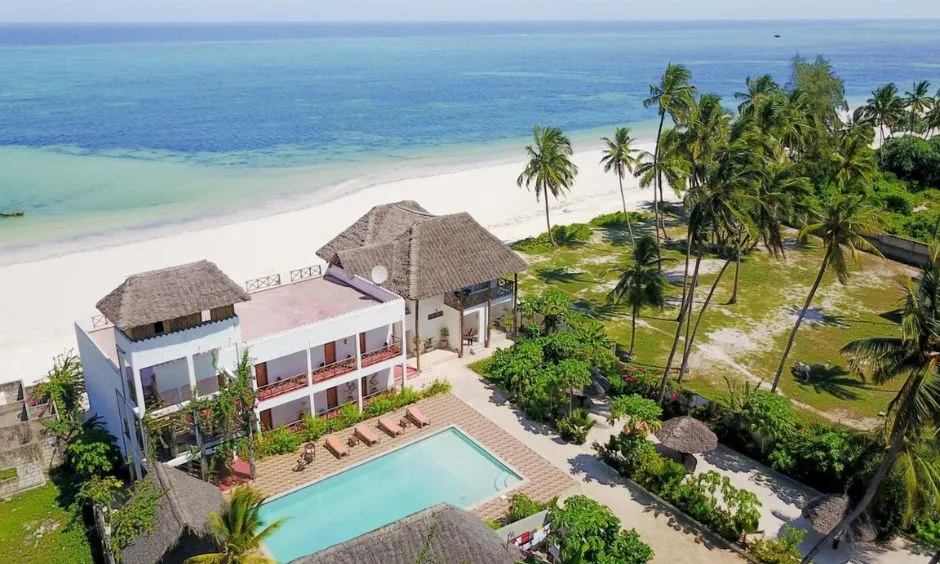
- Forodhani Gardens (Stone Town): by evening, stalls brim with grilled seafood, sweet sugarcane juice, samosas, Urojo (Zanzibar mix soup), and the famous Zanzibar pizza. All $2–5 USD—a fraction of hotel prices.
- Darajani Market: early mornings offer fresh fruit (mangoes, bananas), pilau, chapati, and local coffee—perfect for an energetic, $1–3 breakfast.
- Local cafés like Lukmaan’s (Stone Town) and Oxygen (Paje) serve hearty Swahili meals for $4–7 USD—ideal for midday comfort.
- Splurge slightly on a Zanzibari Cooking Class—learn to steam wali, fresh fish curry, and spice-rich pilau with local hosts. It’s about $20–30, including ingredients and recipes.
These meals do more than fill you up—they nourish your spirit. You’ll dine alongside fishermen, shopkeepers, and families sharing evening chatter, trade recipes, and build connections. Each bite is a slice of Zanzibari life—simmered in spice, history, and community.
4. Embrace Local Transport and Island Pace
- Dala-dalas (minibuses): 500–1,000 TZS (~$0.25–0.50 USD) per trip—perfect for inter-town journeys. Yes, they’re slow, but you’ll glimpse everyday island life—farmers, goats, midday gossip.
- Boda-bodas (motorbike taxis): short hops are $1–2 USD. Perfect for quick beach transfers or late-night rides.
- Rent bikes ($5/day) or scooters ($15–20/day) for flexible exploration of the beaches of Zanzibar—no rush, no schedule.
5. Free and Low-Cost Island Adventures
The secret to Zanzibar Beach Holidays isn’t expensive tours—it’s simple, local treasures.
- Public beaches: Nungwi, Kendwa, Jambiani, Paje—no entrance fees, stunning at sunrise. Wading, drifting, shell collecting—all for free.
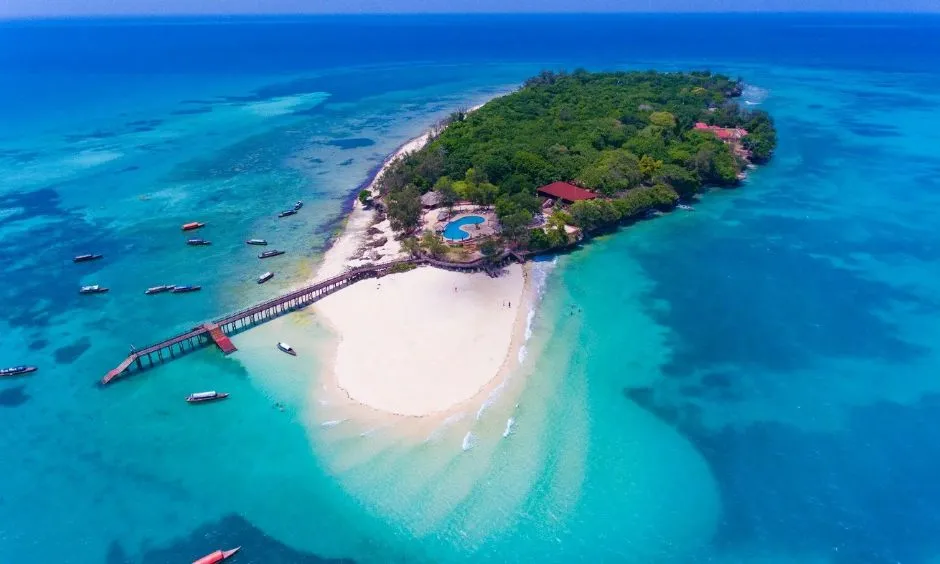
- Nakupenda Sandbar: near Stone Town. A dhow ride costs about $5–10 USD. Your reward? A sandbank paradise revealing at low tide—a quiet escape on the ocean.
- Prison Island: $10 boat ride. Featuring giant tortoises, calm snorkelling, and a slice of history.
- Jozani Forest: $10 ranger fee to see red colobus monkeys, tree canopy boardwalks, and mangrove edges.
- Spice farm tours: $5–15 USD walk through clove, cinnamon, and banana farms—local guides share stories of ancestral lands and healing plants.
- Dhow sunset cruise: shared for $10–20 USD—wine, waves, and stars as you drift past beachside villages.
- Village moments: stroll through Matemwe or Jambiani. Learn how women cultivate seaweed for cosmetics while kids greet you, elders host you for coconut or water. Soft moments, strong memories, zero cost.
6. Shop Smart & Respectfully
The island is arts and aromas, woven baskets, dhow models, spices and seashell necklaces—yet you don’t need to overspend:
- Visit Darajani Market in Stone Town for spices and crafts. Use “hapana asante” (no thank you) to politely negotiate with vendors.
- Watch spices being bagged, fishermen sorting nets, kids weaving palm fronds for anonymous, heartfelt souvenirs.
- Carry a second wallet for small cash (TZS or USD). ATMs are common but fees high.
- Ask in hostels/guesthouses for trusted vendor addresses so you skip tourist traps.
- You’re not just shopping for yourself—you’re supporting families living off local crafts. Every dollar stays in the community.
7. Pack Well for Comfort & Cost-Efficiency
Packing smart saves money and stress:
- Essentials: reef-safe sunscreen, insect repellent, reusable water bottle.
- Beach gear: flip-flops, swimsuit, sarong, snorkelling mask (bring your own—you’ll save beach rental fees).
- Clothing: breathable wear, sunhat, modest wrap/cover-up for village exploration.
- Medicine: motion medicine, diarrhea meds, pain relief—quiet pharmacies exist, but supply can be limited.
- Extras: pens/pencils to gift to school kids, good hiking sandals for forest walks, light raincoat in shoulder season.

8. Book Smartly – Solo, Couples, Groups
- Shared tours—spearheaded via hostel noticeboard or WhatsApp group—are budget winners. Mix and match schedules for spice tour one day, snorkelling the next.
- Small fishing boats in Kizimkazi operate dolphin tours for locals—chat and join; snacks, sunscreen, and story included.
- Avoid big-agency group tours—you pay more. Small guides (booked directly) deliver richer, cheaper experiences.
- Watch for off-season package rates: many hotels offer free nights or upgrades, and activities often include the dreaded “peak load” surcharge.
- Honeymooners? Groups? Send a DM—many homestays offer curated deals for romance or privacy at group rates.
Smart booking keeps you flexible, fluid, and connected. You’re not just comparing quotes—you’re inviting conversation.
9. Connect with Community Experiences
Beyond beaches, Zanzibar’s soul lives in its people. Join local initiatives—try a village walk led by a women’s co-op, attend a drumming night in a Stone Town courtyard, or take a henna workshop with local artists.
These authentic experiences often cost just $5–15 USD and give back directly to residents. You’ll gain cultural understanding, build friendships, and support sustainable community tourism while keeping your budget intact.
10. Stay Flexible and Open-Minded
A flexible mindset is the budget traveller’s greatest ally. Plans shift on island time: dala-dalas might run late, boats leave when full, and power cuts happen.
See this as a gift rather than a hassle—more chances to chat with locals, wander markets, or simply pause for chai.
By adapting and flowing with the island rhythm, you’ll save money on rushed transport, avoid last-minute panic bookings, and unlock the true magic of slow, simple Zanzibar living.
Final Words
Zanzibar is magic woven through waves, spice, sweat, and smiles. Zanzibar Beaches transitions from paradise postcards into shared meals, soft breezes that carry laughter, monsoon breezes lacing spice orchards, childlike joy running free under palms, and time standing still as you watch the moon rise over stone walls.
Budget travel isn’t missing out—it’s being present. It’s about walking in barefoot freedom on Beaches of Zanzibar, greeting locals at market stalls, stumbling upon red colobus monkeys, and finding a sense of calm in a $2 juice shared under a palm tree.
Let Halisia Afrika guide you to everything that matters—the essence of Zanzibar: warmly human, gently lived, magically island-born. Stretch your dollars, but never your wonder.
Share this article