


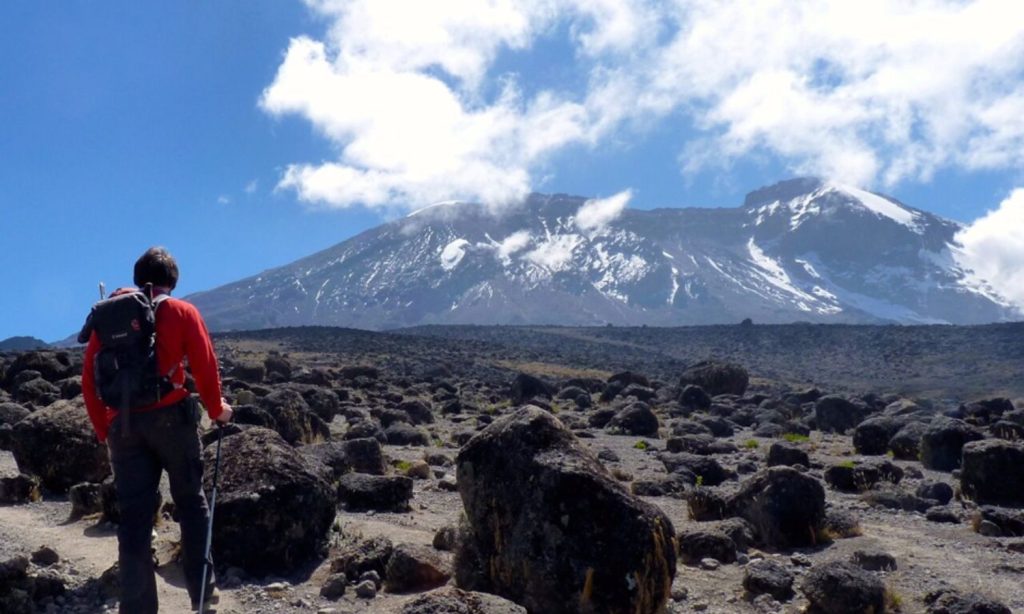
Climbing Mount Kilimanjaro, Africa’s highest peak, is a dream for many adventurers, trekkers, and nature enthusiasts. But when planning your trek, one of the most critical factors to consider is the timing of your climb. The season you choose to ascend Kilimanjaro can significantly affect your overall experience, including the weather, the crowds, and the route conditions. In this blog, we’ll explore the Best Time to Climb Kilimanjaro, how the Kilimanjaro Hiking Season influences your journey, and why knowing the Best Time of Year to Climb Kilimanjaro is essential to getting the most out of your trip.

Mount Kilimanjaro is a unique trek due to its diverse climatic zones. The mountain is located just south of the equator, meaning that the base of the mountain is typically warm and humid, while the higher altitudes are cold, dry, and subject to extreme weather conditions.
As you climb, you will experience a shift in the environment, transitioning from lush rainforests at the bottom, through alpine meadows, and finally into the barren, snow-covered summit.
This shift in ecosystems means that different times of the year will bring drastically different experiences depending on the altitude and your position on the mountain.
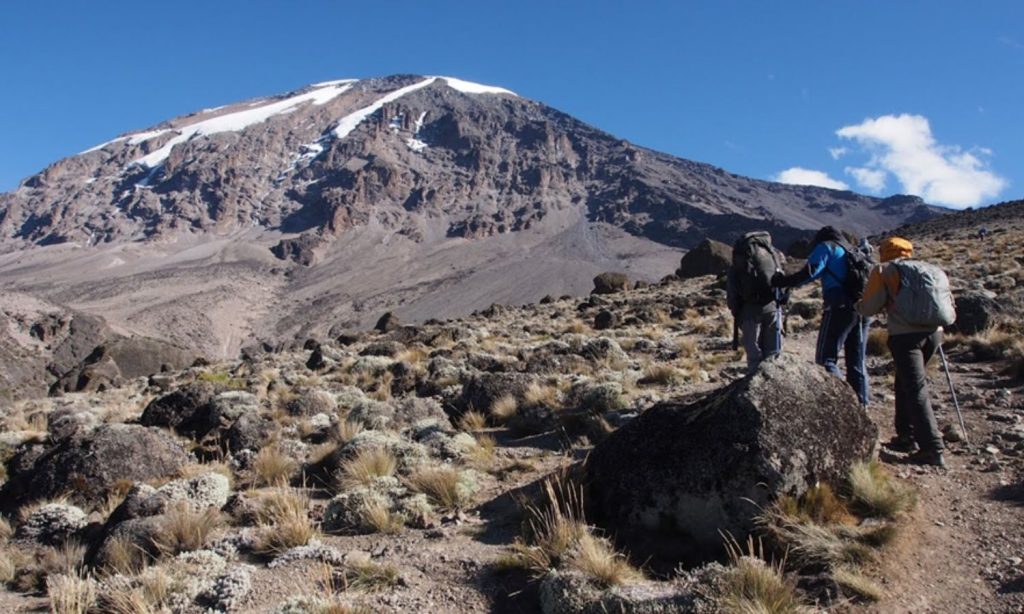
When asking, “What is the Best Time of Year to Climb Kilimanjaro?” climbers often seek out the dry seasons, when the weather is most favourable for hiking. Two main dry seasons are considered ideal for a Kilimanjaro climb:
The Best Season to Climb Kilimanjaro is undoubtedly the long dry season, which runs from June to October. This period offers the clearest skies, the least rain, and the most comfortable hiking conditions. The temperature at lower altitudes (the rainforest and moorland zones) is pleasant, ranging from 20°C to 25°C (68°F to 77°F), while higher elevations can be much cooler, especially at night.
Advantages Of Climbing During the Long Dry Season:
However, because of the ideal conditions, this is also the Most Popular Time to Climb Kilimanjaro, which means it’s more likely to be crowded, especially during the peak months of August and September. So, if you want a more social atmosphere and are comfortable with larger groups, the long dry season is for you.
The Best Months to Climb Kilimanjaro for those seeking slightly warmer weather and fewer crowds would be the short dry season, which typically spans from December to February. During this period, you can expect less rainfall, clear skies, and mild temperatures at the base of the mountain. The summit remains cold, of course, but this season offers relatively warm conditions for trekking compared to the long dry season.
Advantages Of Climbing During the Short Dry Season:
However, it’s worth noting that temperatures can be slightly warmer at the summit in February, and the mountain can experience some unexpected rain showers due to the proximity of the rainy seasons.
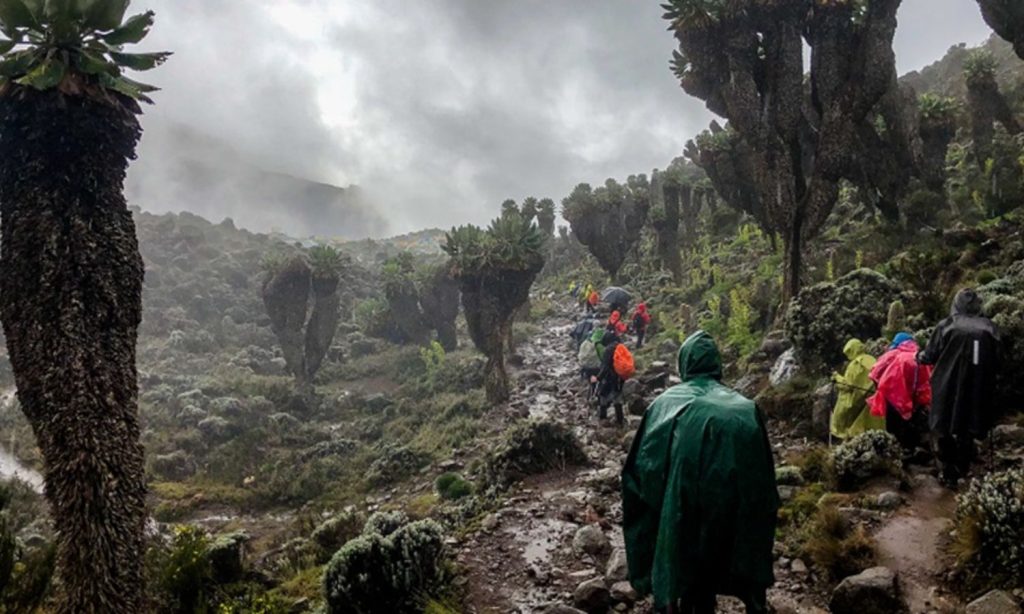
If you’re aiming for a safe and pleasant experience, you’ll want to avoid the rainy seasons. Though trekking is possible during these periods, it’s not ideal, and it comes with significant challenges.
The Long Rainy Season from March to May is generally considered the worst time to climb Mount Kilimanjaro. These months experience the heaviest rainfall, which can lead to slippery and treacherous trails. The temperature at the summit also drops significantly, which increases the risk of altitude sickness, and the freezing rain can make conditions even more dangerous.
Challenges Of Climbing During the Long Rainy Season:
The Short Rainy Season, which occurs in November, is less intense than the long rainy season but still brings showers. The trails may be wet, and although the rainfall is less severe, trekking conditions can still be difficult.
Challenges Of Climbing During the Short Rainy Season:
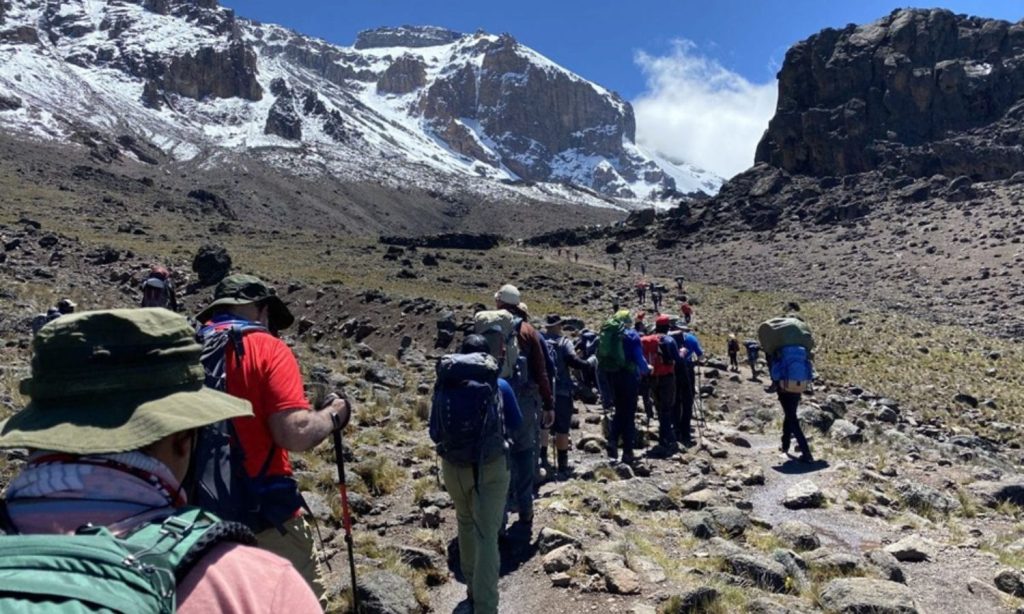
When deciding on the Best Climbing Time for Kilimanjaro, you should also take into account several factors beyond just weather. These include:
Ultimately, the Best Time to Climb Kilimanjaro depends on your preferences, fitness level, and experience. For most climbers, the dry seasons—June to October and December to February—offer the most optimal conditions. If you prefer cooler temperatures, clear skies, and dry trails, the long dry season is perfect. If you prefer fewer crowds and are willing to tolerate a bit of rain, the short dry season may be more appealing.
Plan your Mount Kilimanjaro Climb with Halisia Afrika, and let us guide you to the summit of Africa’s highest peak, ensuring that your climb is safe, comfortable, and memorable, no matter the season!
No popular posts found with the 'popular' tag.


Mount Kilimanjaro is not just Africa’s highest peak; it’s a soul-stirring journey for adventurers, dreamers, and anyone seeking to conquer...

Climbing Mount Kilimanjaro, Africa's highest peak, is an adventure of a lifetime. The towering presence of Kilimanjaro not only promises...

When planning a Kilimanjaro Adventure, timing is everything. The Best Time to Climb Kilimanjaro can significantly impact your experience

Choosing the Best Time to Climb Kilimanjaro can make all the difference between a breathtaking summit and a tough, weather-battered...

The Mount Kilimanjaro Climbing is an unforgettable experience choosing the Best Time to Climb Kilimanjaro is crucial for ensuring you...
© 2024, Halisia Afrika Safari . Developed by Safari Marketing Pro

